Wild Graf: Edgy Urban Typography
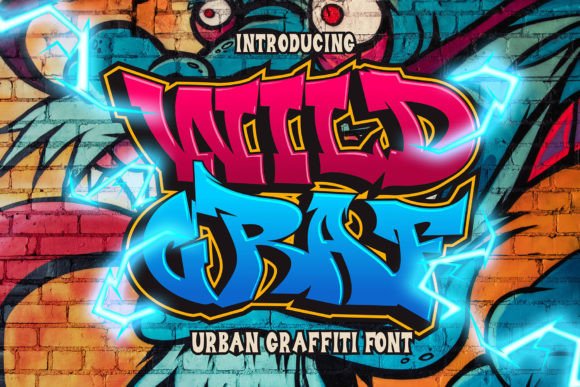
In the fast-paced world of visual communication, typography is not merely about legibility; it is the voice of your brand. When you need to convey raw energy, rebellion, or urban authenticity, standard serif and sans-serif options often fall flat. This is where Wild Graf steps in as a transformative tool for designers seeking to make a bold statement. As an urban graffiti display font, it captures the spontaneous spirit of street art while maintaining the structural integrity needed for professional graphic design projects.
Integrating Wild Graf into your design workflow allows you to break away from corporate sterility. It brings a touch of edginess that resonates deeply with younger demographics and subcultures. Whether you are crafting music posters, apparel designs, or streetwear collections, this font serves as a powerful vessel for attitude. Its unique style makes it an ideal candidate for themes ranging from death metal aesthetics to contemporary urban culture, ensuring your visual hierarchy commands attention immediately.
Elevating Brand Identity with Street Aesthetics
Modern branding often requires a balance between professionalism and personality. For brands targeting niche markets, such as extreme sports, independent music labels, or alternative fashion lines, Wild Graf offers a distinct competitive advantage. It helps establish a brand identity that feels authentic and grassroots rather than manufactured. When used in logo design, it can transform a simple wordmark into a visual icon that speaks to resilience and creativity.
However, using display fonts like Wild Graf requires a strategic approach to maintain clarity. Because of its intricate, graffiti-inspired strokes, it works best when paired with clean, minimal supporting typography. This contrast ensures that while the headline grabs attention, the body text remains accessible. This balance is crucial in digital marketing and social media graphics, where users scan content quickly. By leveraging Wild Graf for headlines and call-to-action buttons, you create a focal point that guides the user’s eye through the composition.
Practical Applications Across Media
The versatility of Wild Graf extends beyond static images. Its robust character set allows for seamless integration across various mediums. Here are several ways designers can leverage this asset to enhance creative projects:
- Apparel and Merchandise: The font’s organic lines mimic hand-painted tags, making it perfect for t-shirt prints, hoodies, and skate deck graphics. It adds immediate value to streetwear collections by embedding cultural relevance directly into the product.
- Music and Event Posters: For concert promotions, especially in rock, punk, or hip-hop genres, Wild Graf conveys the intensity of the live experience. It creates a visceral connection with the audience before they even hear the music.
- Packaging Design: Limited edition products benefit from the exclusivity implied by graffiti styles. Using this font on labels or boxes can suggest artisanal quality and urban cool, appealing to collectors and trendsetters.
- Social Media Content: In a feed saturated with polished imagery, a post featuring Wild Graf stands out. It disrupts the scroll, encouraging higher engagement rates for campaigns focused on youth culture or lifestyle branding.
Optimizing Visual Hierarchy and Readability
While the aesthetic appeal of Wild Graf is undeniable, successful implementation depends on thoughtful composition. Designers must consider scalability and readability. Graffiti fonts can become illegible if scaled down too small or placed against busy backgrounds. To mitigate this, ensure high contrast between the text and the background. A solid color palette that complements the font’s aggressive nature—such as stark blacks, vibrant neons, or muted concrete grays—can enhance its impact without causing visual clutter.
Furthermore, consider the context of UI and web design. While Wild Graf may not be suitable for long-form body copy due to its decorative nature, it excels in hero sections, banners, and interactive elements. When used sparingly, it adds character to digital interfaces without compromising UX design principles. The key is restraint; let the font serve as an accent that reinforces the theme rather than overwhelming the user experience.
In editorial design and print media, Wild Graf can be used to create dynamic chapter headers or pull quotes. This breaks up dense text blocks and adds visual interest, keeping the reader engaged. By treating the font as a graphical element rather than just text, you unlock its full potential as a design inspiration source. It encourages experimentation with layout, rotation, and layering, fostering a more creative and less rigid design process.
Ultimately, the choice of typography reflects the soul of a project. Wild Graf offers a bridge between the raw energy of the streets and the precision of professional design. By understanding its strengths and limitations, creators can harness its power to build compelling narratives. Whether you are designing a new brand identity or refreshing an existing campaign, incorporating high-quality, thematic assets like Wild Graf ensures your work remains relevant, impactful, and visually striking in an increasingly crowded digital landscape.