Graffiti Bubble: Elevating Urban Design with Bold Typography
In the dynamic world of graphic design, typography is more than just a method of conveying text; it is the visual voice of a brand. For designers, marketers, and creators working within street culture, sports, and youth-oriented markets, finding the right typeface can be the difference between a forgettable layout and a viral sensation. This is where Graffiti Bubble emerges as a powerful tool. As a fun, urban-style display font, it captures the raw energy of street art while maintaining the legibility and structure needed for professional commercial applications. Whether you are designing a new logo for a skate shop or creating eye-catching apparel for a local sports team, understanding how to leverage this unique typeface can significantly enhance your creative output.
The Challenge of Capturing Urban Energy in Digital Design
One of the most persistent challenges in modern design is translating the organic, rebellious spirit of urban culture into clean, digital formats. Traditional serif or sans-serif fonts often feel too rigid or corporate for brands that want to project authenticity, excitement, and edge. On the other hand, authentic hand-painted graffiti can be difficult to read, inconsistent in weight, and challenging to scale across different media platforms. Designers frequently struggle to find a middle ground—a font that feels authentic to the streets but functions reliably in professional workflows.
The goal for many creatives is to create designs that resonate with a younger, energetic demographic without sacrificing clarity. Consumers today are visually literate; they can spot inauthenticity from a mile away. A brand trying to appeal to skateboarders, sneakerheads, or fitness enthusiasts needs visuals that match their lifestyle’s intensity. This is the specific niche where Graffiti Bubble excels. It bridges the gap between artistic expression and functional design, offering a solution that is both aesthetically striking and practically versatile.
Why Graffiti Bubble Works for Modern Brands
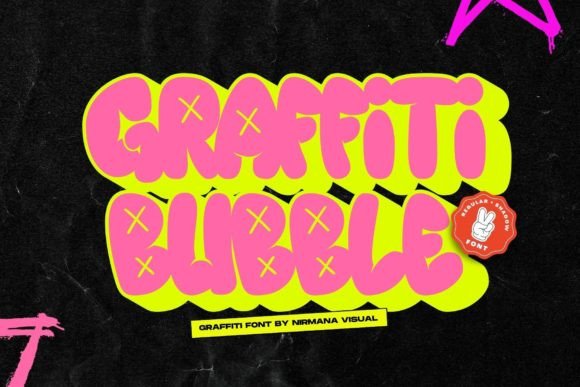
Graffiti Bubble is not just another novelty font; it is a carefully crafted display typeface designed to mimic the inflated, rounded aesthetics of bubble-letter street art. Its thick strokes and playful curves evoke a sense of movement and volume, making it ideal for headlines and short-form text where impact is paramount. Unlike thinner, more intricate graffiti styles that may get lost at smaller sizes, the bold nature of this font ensures visibility across various mediums.
The primary advantage of using Graffiti Bubble lies in its versatility within urban-themed contexts. It allows designers to inject personality into their projects instantly. When used correctly, it communicates fun, confidence, and approachability. For businesses looking to refresh their image or launch a new product line, this font serves as a visual shorthand for "cool" and "current." It removes the need for custom lettering services, providing a high-quality, ready-to-use asset that maintains a consistent look across all brand touchpoints.
Practical Applications and Design Strategies
To get the most out of Graffiti Bubble, it is essential to understand where it shines brightest. Here are several key areas where this font can transform your design concepts:
- Logos and Brand Identity: For startups in the action sports or streetwear industries, a logo needs to be memorable. Graffiti Bubble provides a strong foundation for logotypes that need to stand out on social media profiles, website headers, and storefront signage. Its distinct character helps establish immediate brand recognition.
- Apparel and Merchandise: T-shirts, hoodies, and caps are canvases for self-expression. This font works exceptionally well on apparel because its bold lines translate beautifully to screen printing and embroidery. Designs featuring short, punchy phrases or brand names in Graffiti Bubble become statement pieces that wearers are proud to display.
- Sportswear and Jerseys: Team identity is crucial in sports. Whether for e-sports teams, local basketball leagues, or skate crews, jerseys require fonts that are legible from a distance yet stylish enough to look professional. The rounded edges of this font add a friendly, community-focused vibe while maintaining the athletic boldness required for uniform numbers and names.
- Advertising and Promotional Materials: In crowded marketplaces, ads need to grab attention quickly. Posters, flyers, and digital banners benefit from the high-contrast nature of Graffiti Bubble. It pairs well with vibrant colors and dynamic imagery, helping to highlight sales, events, or new product drops effectively.
- Skateboard and Surfboard Graphics: The deck of a skateboard is a prime piece of real estate for artistic expression. Using this font for board graphics aligns perfectly with the culture of skating. It complements illustrations and photographs, adding a typographic element that feels native to the environment.
Tailoring Your Approach for Different Audiences
Different users will approach Graffiti Bubble with varying objectives, and understanding these nuances can lead to better design outcomes. For instance, a marketing manager for a beverage company targeting teenagers might use the font to create a sense of fun and rebellion in a summer campaign. In contrast, a small business owner running a local gym might use it to convey energy and motivation on workout gear.
Designers working with corporate clients who want to dip their toes into urban trends should exercise restraint. While Graffiti Bubble is versatile, it is a display font meant for emphasis. Using it for body text or long paragraphs can reduce readability and dilute its impact. Instead, reserve it for headlines, call-to-action buttons, or key messaging points. Pairing it with a clean, neutral sans-serif font for supporting text creates a balanced hierarchy that guides the viewer’s eye without overwhelming them.
Implementation Tips for Best Results
To ensure your designs look professional rather than amateurish, consider these implementation tips when working with Graffiti Bubble:
- Color Contrast is Key: Because the font has thick, rounded letters, it holds color well. Use high-contrast color combinations to make the text pop. Neon colors against dark backgrounds, or white text on vibrant gradients, often yield stunning results.
- Mind the Spacing: Display fonts often require manual kerning adjustments. Ensure that the letters are spaced evenly so that the word shapes remain clear and legible. Tight spacing can create a solid block effect, while loose spacing can enhance readability for shorter words.
- Add Depth and Texture: To enhance the urban feel, consider adding subtle drop shadows, outlines, or texture overlays to the text. This can give the flat digital font a more three-dimensional, painted appearance, reinforcing the graffiti aesthetic.
- Keep It Short: This font is designed for impact, not endurance. Limit its use to titles, logos, and short slogans. If you need to convey detailed information, switch to a more traditional typeface for the body copy.
Taking Your Concepts to the Next Level
In conclusion, Graffiti Bubble offers a compelling solution for designers seeking to infuse their work with urban energy and contemporary style. By addressing the common challenge of balancing authenticity with professionalism, this font empowers creators to produce standout visuals for logos, apparel, advertising, and more. Its application extends beyond mere aesthetics; it serves as a strategic tool for connecting with audiences who value creativity, movement, and boldness.
Whether you are redesigning a sports team’s jersey or launching a new streetwear brand, integrating Graffiti Bubble into your toolkit can elevate your concepts. It allows you to communicate clearly while staying true to the vibrant spirit of urban culture. As you experiment with this font, remember to focus on clarity, contrast, and context. With thoughtful implementation, you can create designs that not only catch the eye but also leave a lasting impression on your audience.